
Treat Without the Trick
Keeping Blood Sugar in Check This Halloween
Kelly Robers, RDN, CDCES
10/22/20253 min read


Halloween is all about the fun costumes, carving pumpkins, maybe a little ghost story, and yes, the candy. But for folks with diabetes, it's smart to go into it with a mini "game plan." The goal: enjoy your treats without a wild sugar roller-coaster and without feeling left out.
Here's how to do it:
1. Read the nutrition label like a detective
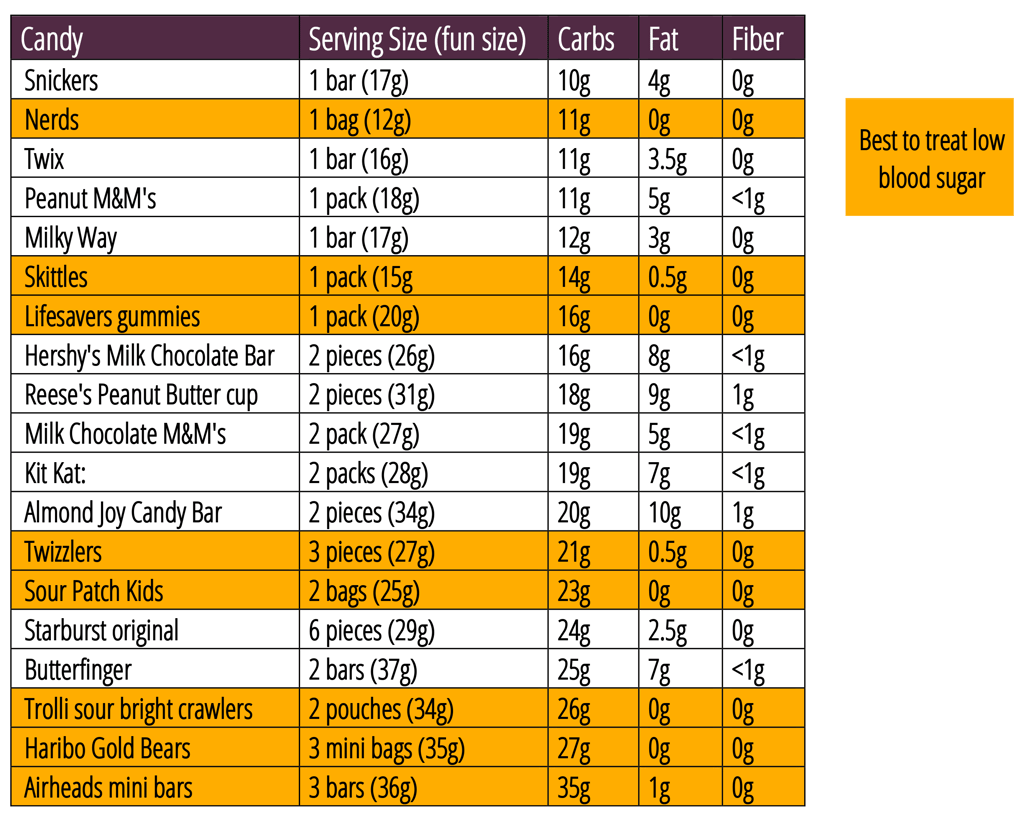
Halloween candy won't come with a nutrition facts label, so you may need to look it up on the company website. We have listed some of the more common candies passed out below. You will want to look for:
Serving size: Knowing how many pieces equal a "serving" will help you decide the amount you want to plan for.
Total carbohydrates: This is what will raise your blood sugar.
Fiber: more fiber = slightly slower digestion (though candy won't have much, if any at all!).
Total fat (and saturated fat) affects how fast the carbs hit your system and overall meal balance.
2. Incorporate candy with meals—not just "standing alone"
Eat candy with or immediately after a main meal (think: dinner). Why? Because the other food slows digestion, it helps buffer the rise in blood sugar.
If you're having candy between meals, pair it with something that has protein or fiber—like a handful of nuts, a slice of cheese, or carrot sticks. That combo helps temper the spike.
Use portion control: instead of "oh, the whole bag," maybe pick 1–2 mini pre-measured. If the label says one serving is 2 bags (let's say ~20 g carbs), decide now: I'll have ½ serving (10 g carbs) and save the rest for tomorrow.
3. Balance candy with "non-candy" food so you get the joy and stable blood sugar
Yes, you can have your candy and enjoy stable blood sugars. Here's how:
If you know you'll have some candy tonight, reduce other carb-dense parts of the meal slightly (for example: pick a slightly smaller portion of pasta or rice).
Make sure you've got protein (chicken, eggs, tofu) and non-starchy vegetables (greens, broccoli, zucchini) on your plate; these don't raise blood sugar as much and help you fill up.
Stay hydrated, and keep moving: a little post-trick-or-treat walk is both fun and helpful for glucose control.
Plan the when: If you're going to sample candy late, adjust your insulin/medication timing (if you use insulin/meds) or check your blood sugar more frequently afterward.
4. Choose the non-candy options, when possible, to limit the amount of sugar you are bringing home.
Many houses have started offering allergy-friendly options. If they have the option of the glow sticks, spider rings, or other fun toys, choose those.
5. Don't leave the candy in plain sight once you get home.
It's much easier when it's out of sight, out of mind. This can help you avoid mindless snacking.
6. Play a game with how long you can make the candy last.
See if you can make it last until the new year. Or if you have good support at home, you can make it a game to see who can make their candy last the longest. Whoever wins gets to pick a family activity.
7. For Kids, have them choose their favorites, and then swap them out for a larger toy.
Make it into a bartering system where they can pay you for a larger toy. Especially if there are candies you want, it makes them feel like it's an upgrade and makes them feel special.
Final Bit: Your Halloween candy survival kit
Read the label → pick smaller, lower-carb size candy.
Eat candy with a meal or pair it with protein/fiber.
Portion control: one "treat" size, save the rest for later.
Balance overall meal: prioritize veggies + protein, moderate other carbs.
Check blood sugar (or set CGM alarms) so you know how your body responds.
Have fun. Laugh a little. Preferably not at your blood sugar reading. 🎃
And remember: candy doesn't have to be off-limits—it just needs a smart plan.
Support
Comprehensive diabetes education and resources.
Contact
Connect
krobers@haikunutrition.net
(602)456-0146
© 2025. All rights reserved.